
Building Community Engagement
Dr. Bale was recruited to CU to develop new programs in-line with the strategic research and community impact objectives of the University of Colorado School of Medicine. In formulating the mission and directives for these programs, The Bale Lab will ensure that while strengthening the existing basic and clinical research programs and building translational bridges, their focus would be on ensuring community is a focus.





I hold The Anschutz Foundation Endowed Chair in Women’s Integrated Mental and Physical Health Research at the Ludeman Center, and thus a significant focus of my research and mentorship is on women’s health and sex as a biological variable.
Engaging in the community has been a key focus in my leadership roles and development throughout my career, including forming collaborations and partnerships with local organizations, health officials, social workers, and policy makers. Community engagement is critical for the advancement of research, medicine, and education.


BRAIN Fest Denver
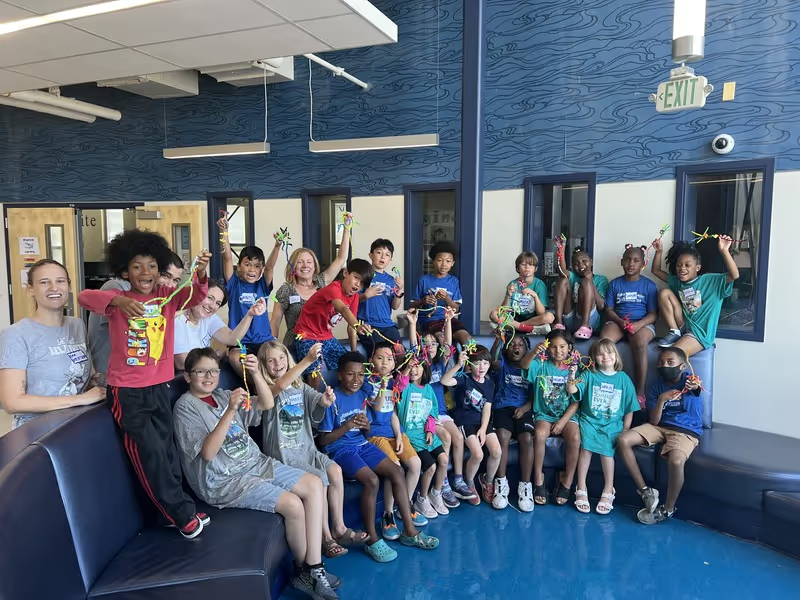
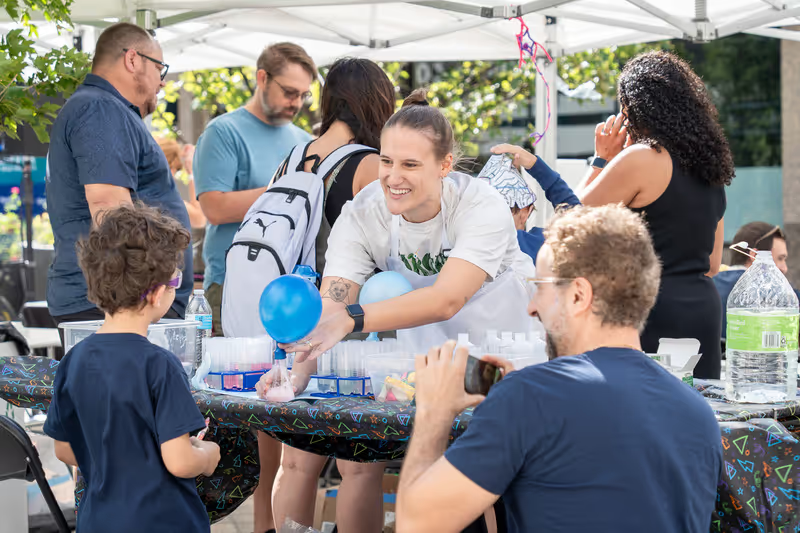
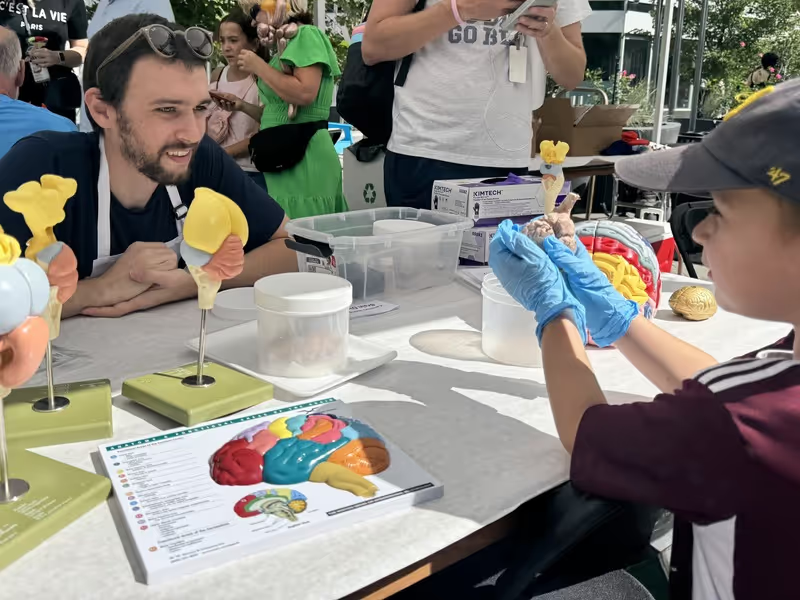
The mission: break down the walls between researchers and the public and show that learning about the brain can be accessible, artistic, and even hilarious!
From science-infused, stand-up comedy to massive brain art and kid-powered experiments, we lit up neurons across Aurora and Denver with BRAIN Fest, a month-long celebration that took brain science and mental health conversations out of the lab and into the neighborhood. The series of events provided space for authentic community connection, and a mutually beneficial learning experience that brought perspective on the importance of science research.







NeuroVesica
A significant focus of my research has been understanding the biological mechanisms that influence brain health and mental illness, and translating those discoveries into better approaches to treatment. NeuroVesica grew out of a shared commitment with psychiatrist Dr. Neill Epperson to bridge the gap between scientific discovery and clinical care.
Too few promising research discoveries make it beyond published papers and into the lives of individuals living with mental illness. Through NeuroVesica, we are working to change that by developing a precision psychiatry platform that uses extracellular vesicle (EV) proteomics, AI, and computational modeling to predict individual responses to psychiatric treatments.
Our goal is to advance more personalized approaches to mental health care, improve the development of new treatments, and ultimately help connect individuals with the care that works best for them.
